

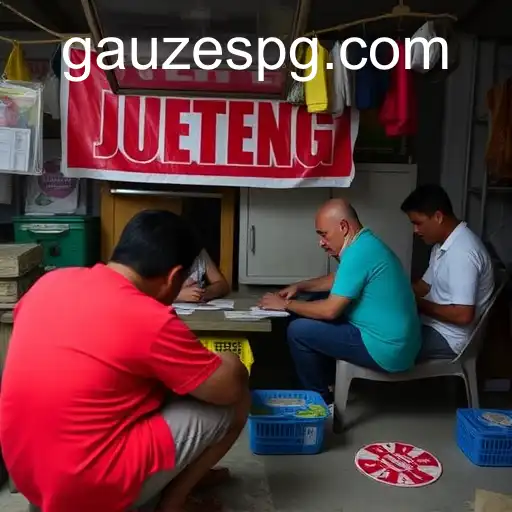
Jueteng: A Persistent Challenge in the Philippines
Jueteng is an illegal numbers game that has woven itself into the fabric of Filipino society, particularly in certain regions of the Philippines. Despite ongoing efforts by government authorities to curtail its operations, Jueteng remains a significant socio-economic and political issue. Its deep-rooted presence can be attributed to several factors, including economic conditions, cultural acceptance, and political dynamics.
The Economic Dimension of Jueteng
At its core, the persistence of Jueteng can be linked to economic factors. Many Filipinos, especially those in poorer regions, rely on it as a source of livelihood. The allure of winning money with minimal investment attracts participants from the lower-income strata. The game involves betting on numbers that are drawn randomly, with winners receiving a payout based on their stakes. For many, it represents a chance to briefly escape the grasp of poverty, despite the low odds of winning.
Jueteng operators employ a vast network of cobradores (collectors) and cabos (coordinators) who facilitate the collection of bets. This provides income for those who might otherwise be unemployed or underemployed, making it a lifeline for many families. In regions with high unemployment rates, Jueteng offers a semblance of economic activity, albeit within the informal sector.
Cultural Acceptance and Social Impact
The cultural acceptance of Jueteng further complicates efforts to eliminate it. For years, it has been embedded in local traditions and customs. In some communities, participating in Jueteng is considered a social activity, with neighbors and friends sharing tips and predictions. The sense of community and belonging it fosters contributes to its resilience against eradication efforts.
Despite its illegal status, Jueteng is often viewed with a degree of ambivalence by the public. The social stigma associated with it is minimal, and in many cases, it is considered no more harmful than other forms of entertainment. This perception diminishes the urgency for a crackdown, allowing it to flourish under the radar. The game's normalization in daily life makes it difficult to galvanize public opinion against it.
Political Dynamics and Corruption
Jueteng cannot be discussed without considering the political implications. Historically, it has been intertwined with political corruption, with allegations of politicians receiving financial support from operators in exchange for protection. This mutually beneficial relationship provides operators with immunity from legal action while affording politicians the financial resources to fund campaigns and maintain influence.
The systemic corruption associated with Jueteng means that efforts to suppress it often encounter resistance from within the political system itself. Despite occasional high-profile crackdowns and arrests, the game resurfaces, suggesting complicity or a lack of genuine political will to dismantle the networks supporting it.
Efforts and Challenges in Eradicating Jueteng
Over the years, various administrations have attempted to tackle Jueteng, employing a range of strategies from direct enforcement actions to seeking alternative forms of legal entertainment and gambling. However, the deeply ingrained nature of Jueteng poses significant challenges. Enforcement efforts are frequently undermined by corruption, lack of resources, and the inadequacy of alternative economic opportunities for those involved.
One approach has been the regulation and promotion of government-sanctioned lottery games such as the Philippine Charity Sweepstakes Office (PCSO), which aims to provide a regulated and legal alternative to Jueteng. However, these efforts have met with mixed success, as the informal nature of Jueteng allows for flexibility and adaptation to local preferences.
Conclusion
Jueteng remains a complex and enduring phenomenon in the Philippines, reflecting broader socio-economic and political challenges. Its persistence underscores the need for comprehensive strategies that address not only the legal aspects but also the underlying economic and cultural factors. Without addressing the root causes, efforts to eliminate Jueteng may continue to face significant obstacles. The interplay of poverty, cultural acceptance, and political dynamics requires nuanced solutions that go beyond enforcement, ensuring sustainable alternatives that can replace the reliance on this illegal numbers game.